
An International, Child-Centered Perspective for Families, Professionals, and Policymakers
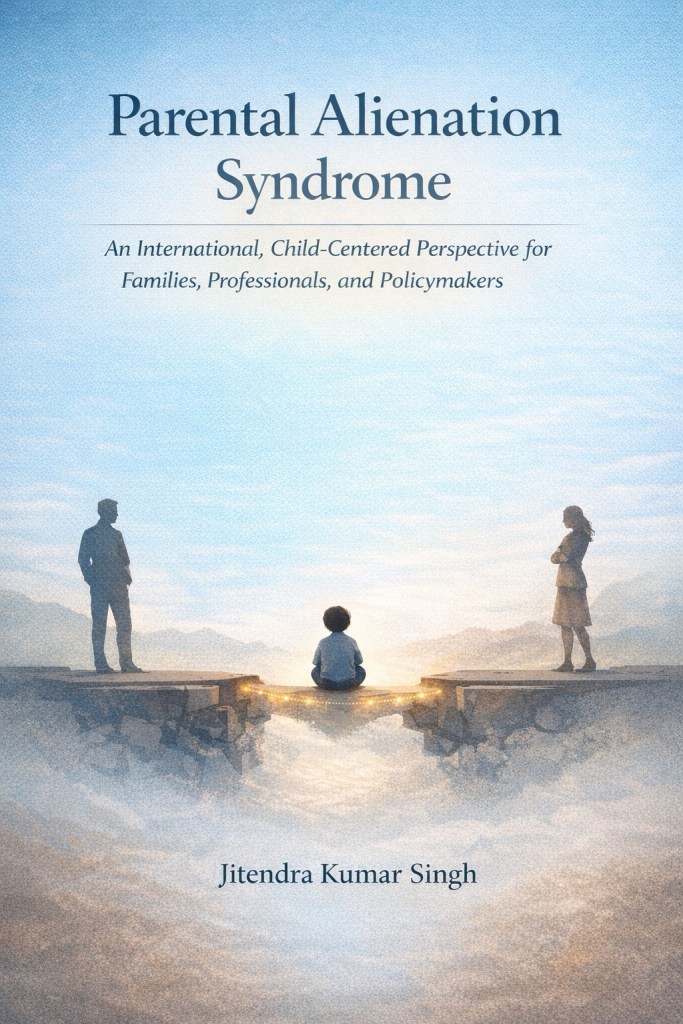
Parental alienation describes a pattern in which a child’s relationship with one parent becomes significantly damaged due to ongoing conflict dynamics, psychological pressure, or repeated negative influence from the other parent or the surrounding environment. Internationally, this phenomenon is increasingly understood not as a medical diagnosis, but as a relational and behavioural risk factor that can undermine a child’s emotional well-being, identity development, and long-term relational health.
This article presents an international, rights-based framework for understanding parental alienation, carefully distinguishing it from justified estrangement that arises from real harm or safety concerns. Drawing on globally accepted child-rights principles and evidence-informed practice, the article offers guidance for children, parents, and professionals aimed at preventing harm, reducing loyalty conflicts, and supporting child-centered outcomes. The focus remains on safety, dignity, and the child’s right to emotional freedom rather than on diagnostic labeling or adversarial approaches.
1. International Principles and Framework
International understanding of parental alienation is grounded in a set of widely shared principles reflected across global child-rights instruments, mental health ethics, and family practice standards. These principles provide an essential ethical and professional foundation for addressing complex family dynamics without placing children at further risk.
Key guiding principles include:
Best interests of the child as the primary consideration in all decisions affecting children The child’s right to emotional safety, identity, and dignity, including freedom from psychological harm The child’s right to maintain meaningful relationships with both parents, unless such relationships pose a substantiated risk to the child’s safety or well-being Gender neutrality and non-discrimination, recognizing that alienating dynamics may occur in any family configuration Safety-first, evidence-informed assessment, particularly in cases involving allegations of abuse or coercive control Avoidance of contested diagnostic labels, where scientific consensus is limited or disputed
Within this framework, the term parental alienation is used descriptively rather than diagnostically, emphasizing observable relational patterns and child experiences rather than assigning psychiatric status to the child or parents.
2. Understanding Parental Alienation
2.1 What Parental Alienation Refers To
Parental alienation may be observed when a child’s relationship with one parent deteriorates in ways that appear disproportionate to the child’s direct experiences and are shaped by sustained exposure to conflict, pressure, or negative narratives. Common indicators include situations in which a child:
Persistently rejects, avoids, or expresses fear toward one parent Provides explanations for rejection that lack specificity, consistency, or experiential grounding Demonstrates strong loyalty alignment with one parent and hostility toward the other Repeats adult language, accusations, or narratives beyond the child’s developmental capacity Becomes emotionally or practically involved in adult disputes
These patterns most commonly emerge in contexts of high-conflict separation or divorce, particularly where disputes are prolonged, adversarial, or unresolved. However, similar dynamics may also occur in other family circumstances involving chronic conflict, extended family pressure, or unresolved trauma.
Importantly, children affected by these dynamics are not passive participants; their behaviours often reflect adaptive strategies aimed at preserving emotional security within an unstable environment.
2.2 What Parental Alienation Is Not
International standards emphasize that parental alienation must not be misapplied or assumed.
Specifically:
It is not a formally recognized psychiatric disorder It must never be presumed without careful, individualized, and multidisciplinary assessment It must not be used to discredit or minimize credible allegations of abuse, violence, or neglect It is distinct from justified estrangement, in which a child’s avoidance of a parent is a reasonable response to real harm or safety threats
Failure to distinguish alienation from justified estrangement risks serious harm, including the potential re-exposure of children to unsafe environments. Each case therefore requires context-specific, child-focused evaluation, with safety considerations taking precedence over relational restoration.
3. Impact on Children Across Cultures
Across cultural contexts, research and clinical observation indicate that prolonged exposure to intense parental conflict and alienating behaviours can have significant developmental consequences. These may include:
Anxiety, depression, and emotional dysregulation, often masked by anger or emotional numbing Chronic guilt and fear of abandonment, arising from loyalty conflicts and emotional pressure Identity confusion, as children internalize polarized narratives about their family and themselves Difficulties with trust, intimacy, and conflict resolution in later relationships Emotional disconnection from parts of family identity, including extended family and cultural heritage
Children may present with certainty, rigidity, or hostility; however, these behaviours often conceal underlying vulnerability, grief, and fear. Without intervention, these effects may persist into adolescence and adulthood, influencing long-term mental health and relational functioning.
4. Core International Principle
A central principle across international frameworks is unequivocal:
Children must never be required directly or indirectly to choose between parents.
When children align strongly with one parent, this alignment is often an adaptive survival response rather than an informed or voluntary choice. Such responses may help children manage emotional stress in the short term but carry significant long-term costs if left unaddressed.
Guidance for Children and Young People
5. A Message to Children
Children affected by parental alienation dynamics benefit from clear, validating messages:
You are not responsible for adult conflict or adult decisions. Your feelings are real and important, even if they are influenced by fear, pressure, or confusion. Love is not betrayal caring about one parent does not require rejecting another. Feeling guilty for wanting connection often signals emotional pressure, not wrongdoing.
You have the right to safe, neutral support from adults or professionals who do not take sides. Healing has no fixed timeline; reflection, reconnection, or distance should occur at your pace and with safety.
These messages help restore children’s sense of agency and emotional legitimacy.
Guidance for Parents
6. How Parents Can Prevent or Reduce Alienation
Parental behaviour plays a decisive role in either escalating or reducing alienation dynamics.
6.1 Avoid Loyalty Conflicts
Parents should not imply—explicitly or implicitly that love must be proven through rejection.
Protective message:
You are free to love both parents.
6.2 Do Not Use Children as Messengers or Emotional Supports
Children should never be asked to carry messages, collect information, or manage adult emotions.
6.3 Keep Adult Matters Out of the Child’s Emotional World
Legal disputes, accusations, financial grievances, and relationship histories belong with adults and professionals.
6.4 Be Mindful of Language and Non-Verbal Communication
Tone, facial expressions, sarcasm, and silence can communicate powerful messages that children internalize.
6.5 Support the Other Parent–Child Relationship
Unless a substantiated safety risk exists, facilitating contact protects children’s emotional health and identity development.
6.6 Separate Personal Pain from Parenting Responsibility
A child’s love for the other parent does not invalidate a parent’s pain but it must not restrict the child’s emotional freedom.
6.7 Repair Is Protective
Acknowledging mistakes reduces harm and models accountability.
Example:
“I allowed my feelings to influence what I said. That was not fair to you.”
6.8 Model Emotional Responsibility
Children learn resilience by observing adults regulate emotions without transferring emotional burdens.
Long-Term International Consensus
Children ultimately remember who protected their emotional freedom, not who prevailed in conflict.
7. Role of Professionals
When conflict is intense or a child shows signs of distress, international standards recommend:
Engagement of neutral, appropriately trained professionals Child-focused, non-adversarial interventions that prioritize emotional safety Safety-first assessment where allegations of abuse or coercive control exist Avoidance of coercive or punitive approaches, particularly forced or rapid reunification
Professional interventions should remain flexible, reviewable, and responsive to the child’s evolving needs.
Reflection Summary
Internationally, parental alienation is best understood as a risk indicator rather than a diagnosis. Addressing it effectively requires prevention, humility, careful assessment, and unwavering commitment to child-centered practice.
Blame, force, or rigid labeling rarely protect children.
Respect, safety, and emotional freedom do.
The universal goal is a child free to think, love, and feel without fear.

Leave a comment