
Abstract
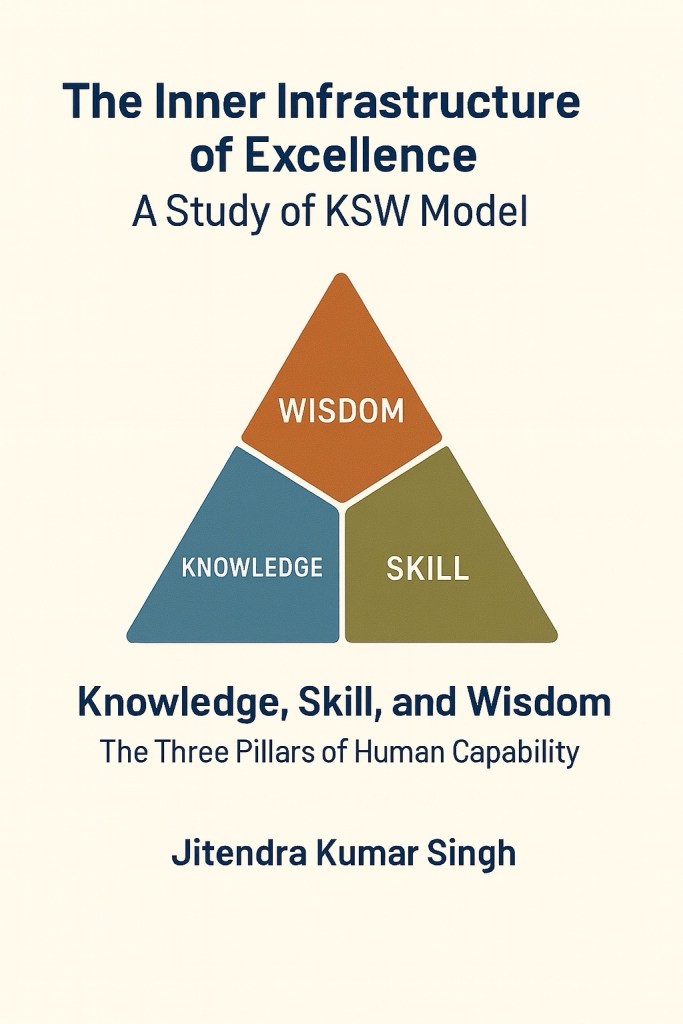
Knowledge, skill, and wisdom constitute the foundational triad that determines human performance, decision-making, and long-term success.
Although the three terms are often used interchangeably, international scholarship across psychology, education, management science, and cognitive research demonstrates that they represent distinct layers of human capability.
This article explores the conceptual boundaries, developmental pathways, and practical implications of this triad, while proposing a unified model applicable to leadership, professional development, and personal mastery.
1. Introduction
The rapid evolution of global society characterised by technological disruption, digital education, and complex socio-economic systems has fundamentally reshaped how individuals learn and grow.
To navigate this complexity, three competencies stand above all:
Knowledge, Skill, and Wisdom (KSW).
These are not mere academic categories; they are the architecture of human potential.
Knowledge gives understanding.
Skill gives capability.
Wisdom gives direction.
The interplay between these three determines not only personal success but also organizational resilience, national productivity, and societal progress.
2. Defining the Three Constructs
2.1 Knowledge: The Cognitive Base
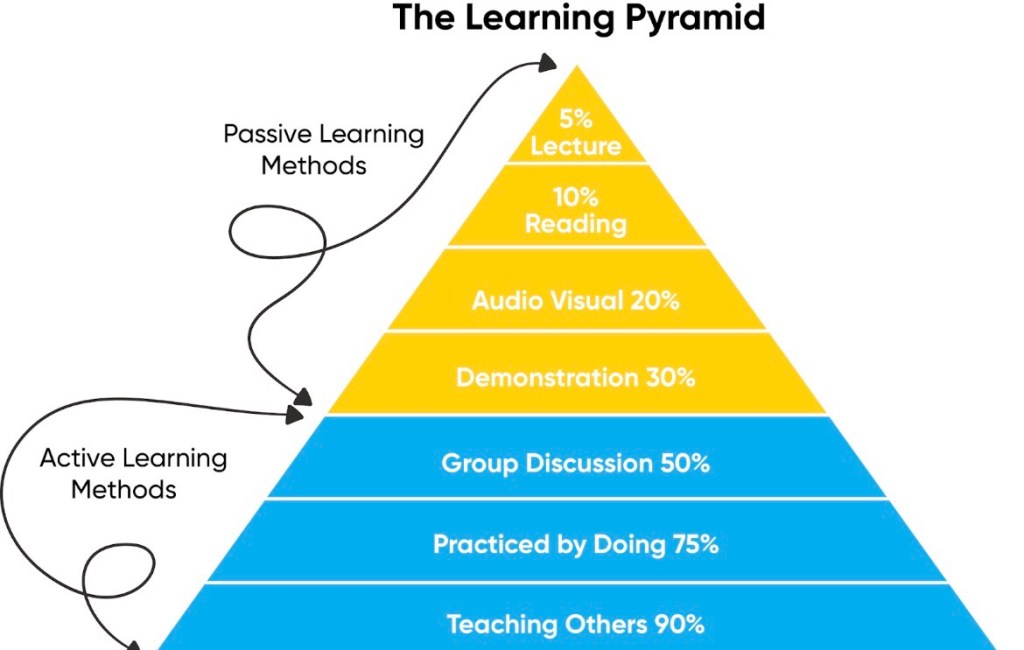
Knowledge is the accumulation of information, principles, facts, and theories. It resides in the cognitive domain, representing what a person knows.
Knowledge answers the question:
What is this?
How does it work?
Examples:
Knowing the rules of the stock market
Knowing how an engine works
Knowing leadership principles
Knowing laws, formulas, concepts
Academic literature identifies several types of knowledge:
Declarative knowledge (facts, concepts)
Procedural knowledge (how to perform tasks)
Contextual knowledge (understanding where and when information applies)
Knowledge forms the initial stage of learning but does not guarantee competence or performance.
2.2 Skill: Knowledge in Action
Skill is the demonstrated ability to apply knowledge effectively to achieve desired results. It involves psychomotor capability, cognitive processing speed, and adaptive execution.
Skills are acquired through:
Repeated practice
Real-world exposure
Feedback and correction
Experiential learning cycles
Skill answers the question:
Can you do it?
Examples:
Trading profitably (not just knowing markets)
Designing real structures (not just knowing theory)
Public speaking (not just knowing communication models)
Managing money, negotiating, coding, writing, leading teams
Research distinguishes between:
Hard skills (technical competencies)
Soft skills (communication, leadership, emotional intelligence)
Meta-skills (learning agility, problem-solving, adaptability)
Skill development transforms a learner into a performer.
2.3 Wisdom: The Integrative Intelligence
Wisdom is the highest level.
It comes from experience, reflection, failure, observation, and time.
Wisdom is the ability to:
See patterns
Make sound judgments
Choose the right path
Avoid mistakes
Understand consequences Balance emotions, money, and actions
Wisdom answers the question:
Should you do it?
Is it right, necessary, and meaningful?
Examples:
Knowing when to speak and when to stay silent
Knowing which opportunities to pursue
Choosing long-term value over short-term gain
Understanding people and intentions
Making decisions aligned with purpose
Wisdom is the synthesis of knowledge, experience, intuition, and judgment.
3. The KSW Developmental Pathway
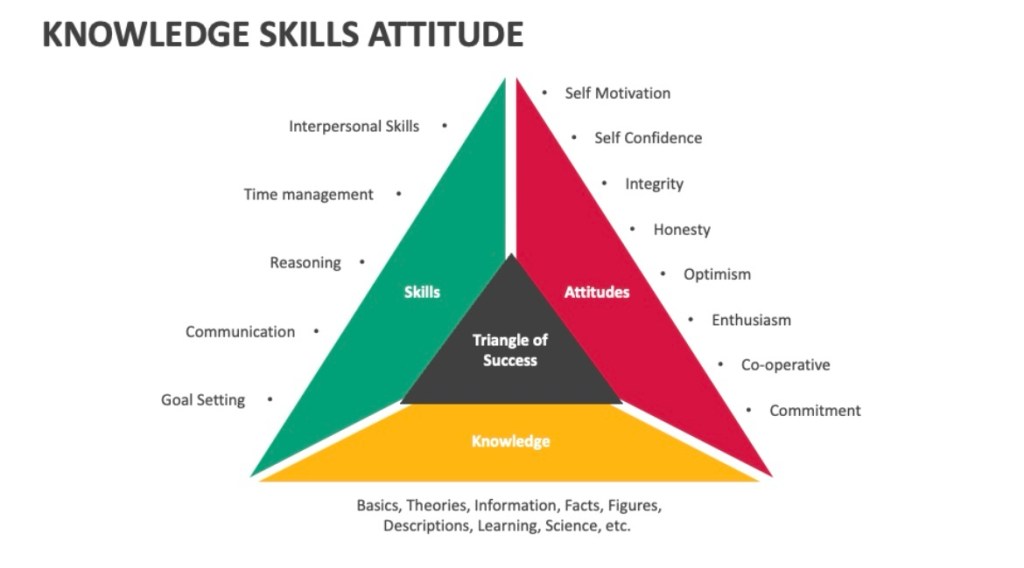
Research shows that capability progresses through three sequential stages:
Acquisition (Knowledge) Gathering information Understanding theories Building cognitive clarity
Application (Skill)
Converting theory into practice Performing with accuracy Achieving repeatable results
Integration (Wisdom)
Making value-aligned decisions Foreseeing consequences
Leading self and others with maturity
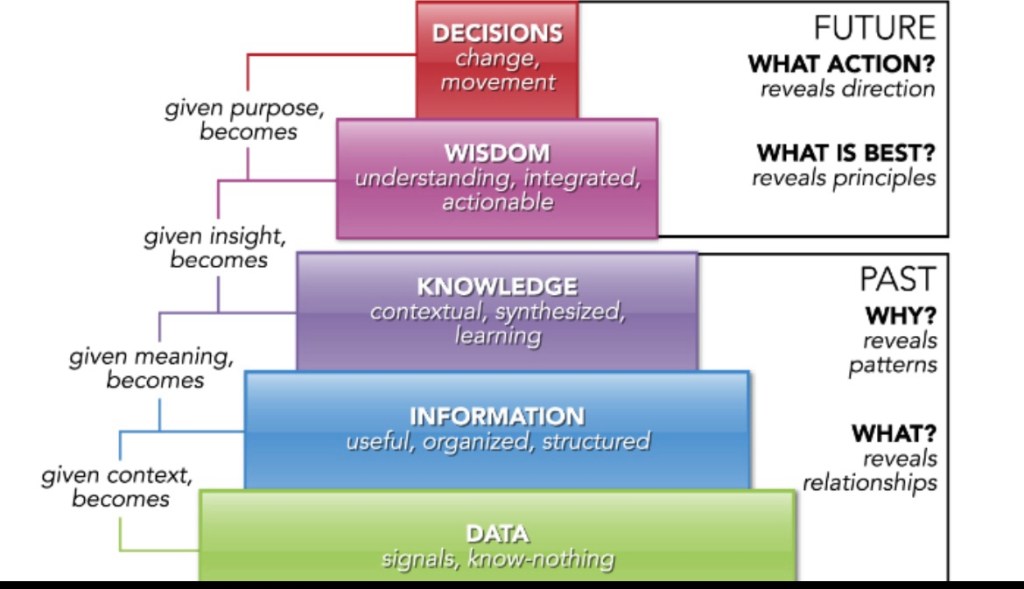
This pathway mirrors globally recognized frameworks like Bloom’s Taxonomy, Kolb’s Learning Cycle, and the Dreyfus Model of Skill Acquisition.
4. Global Relevance and Research Perspectives
4.1 In Education
Educational institutions worldwide aim to move students beyond rote knowledge to skill-based learning and finally to wisdom-oriented judgment.
21st-century education focuses on critical thinking, creativity, and moral reasoning—all facets of wisdom.
4.2 In Professional and Leadership Development
Corporate leadership models consistently highlight that while knowledge and skill are essential for entry-level competence, wisdom differentiates exceptional leaders.
Wisdom enables:
Strategic foresight Crisis
Management Ethical decision-making
Human-centric leadership
4.3 In Personal Mastery and Human Well-Being
Wisdom is strongly linked to:
Life satisfaction
Emotional stability Purpose
Alignment Resilience under adversity Positive social relationships
Thus, wisdom is not only a professional asset but a psychological necessity.
5. Proposed KSW Integration Model
To unify various academic perspectives, we propose the KSW Integration Model, which views human capability as a three-layer system:
Knowledge = Understanding
Skill = Competence
Wisdom = Judgment
The highest performance emerges only when all three operate simultaneously.
6. Implications for the Future
In an age of artificial intelligence, information is abundant and skills can be automated but wisdom remains uniquely human.
The leaders, innovators, and societies that advance will be those who cultivate wisdom alongside knowledge and skill.
This triad will shape:
Future education systems
Employability and workforce evolution
Leadership pipelines
Youth development and global citizenship
7. Global Business Failures Caused by Missing Elements of KSW
Research shows that many global business collapses can be directly traced to the absence of knowledge, skill, or wisdom. These failures demonstrate how a weakness in even one of the three pillars can destabilize entire organizations.
7.1 Nokia (2010–2014) — Failure Due to Lack of Knowledge-Wrong Decisions, Wrong Markets

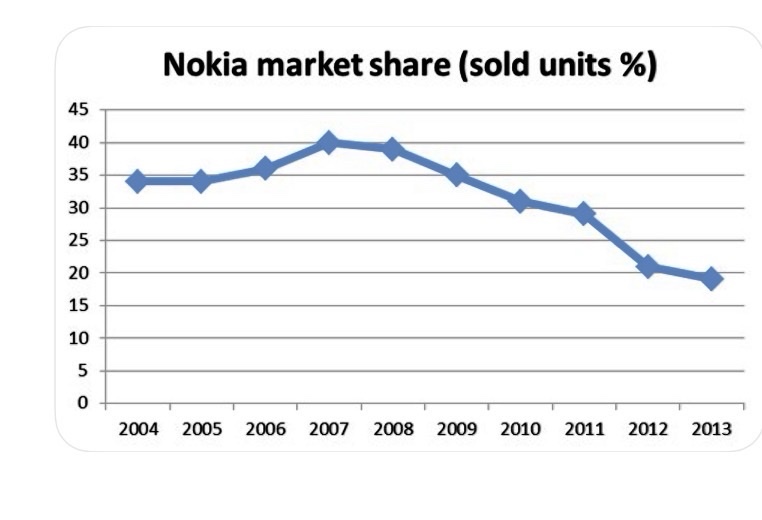
Nokia failed to anticipate the rise of touchscreen smartphones, app ecosystems, and Android’s technological disruption. Its insufficient market and technological knowledge led to one of the greatest corporate declines of the 21st century.
7.2 MySpace (2008-2011) — Failure Due to Lack of Execution Skill
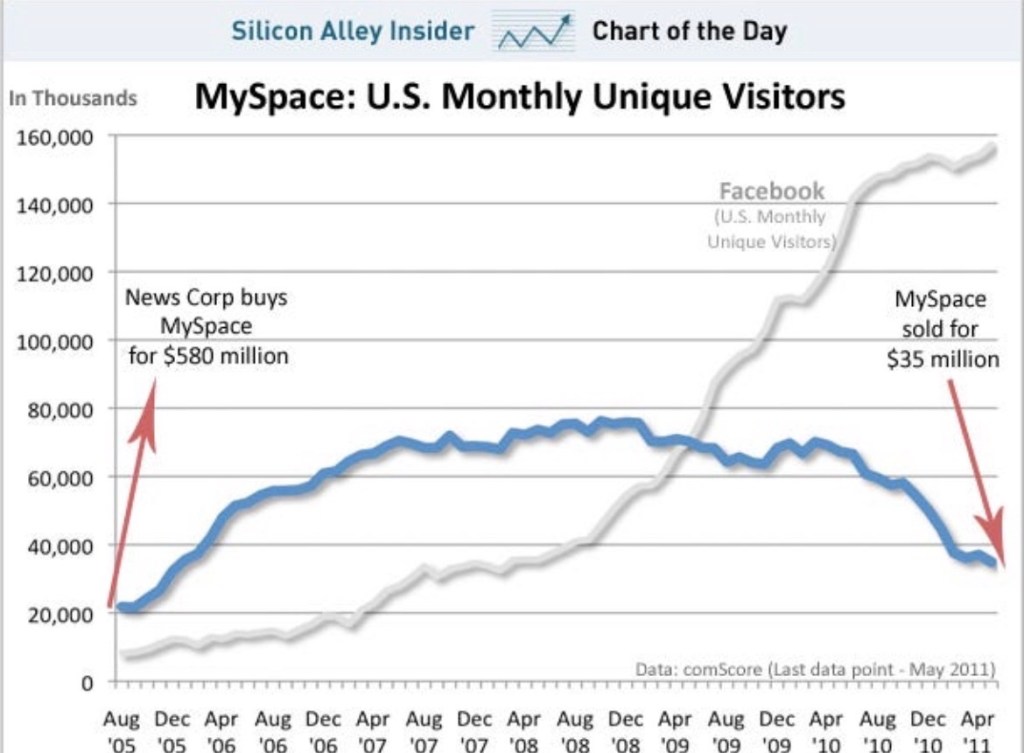
MySpace had early leadership in social networking but lacked the technical skill to scale, enhance user experience, and maintain platform reliability. Facebook surpassed it through superior engineering and execution capability.
7.3 Enron Scandal (2001)— Failure Due to Lack of Wisdom-Ethical Collapse and Poor Judgements
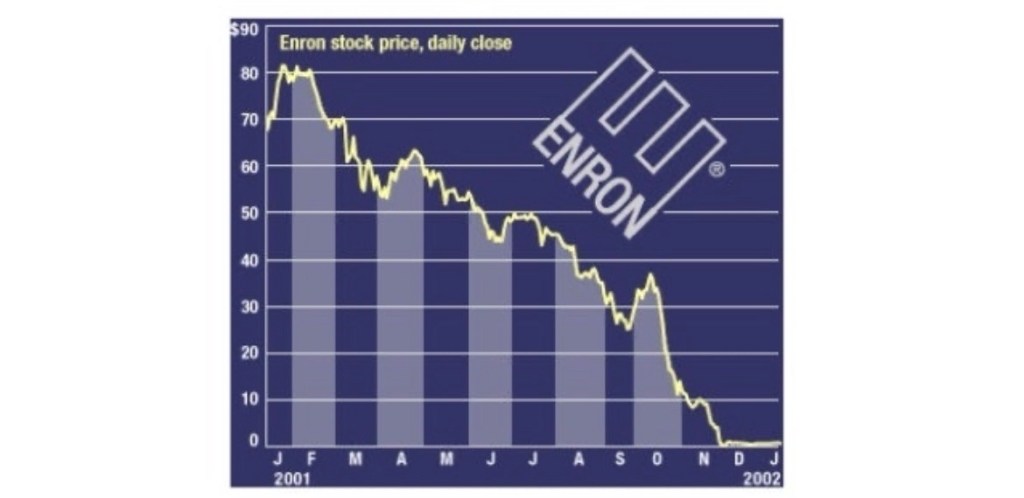
Enron’s collapse was not due to lack of knowledge or skill but due to a fatal deficit of wisdom. Unethical decisions-making , short-term greed, manipulative financial practices and short-term thinking over long-term gain led to one of history’s most damaging corporate scandals.
7.4 Kodak (1990-2012) — Failure Due to Lack of Knowledge , Wisdom and Overconfidence
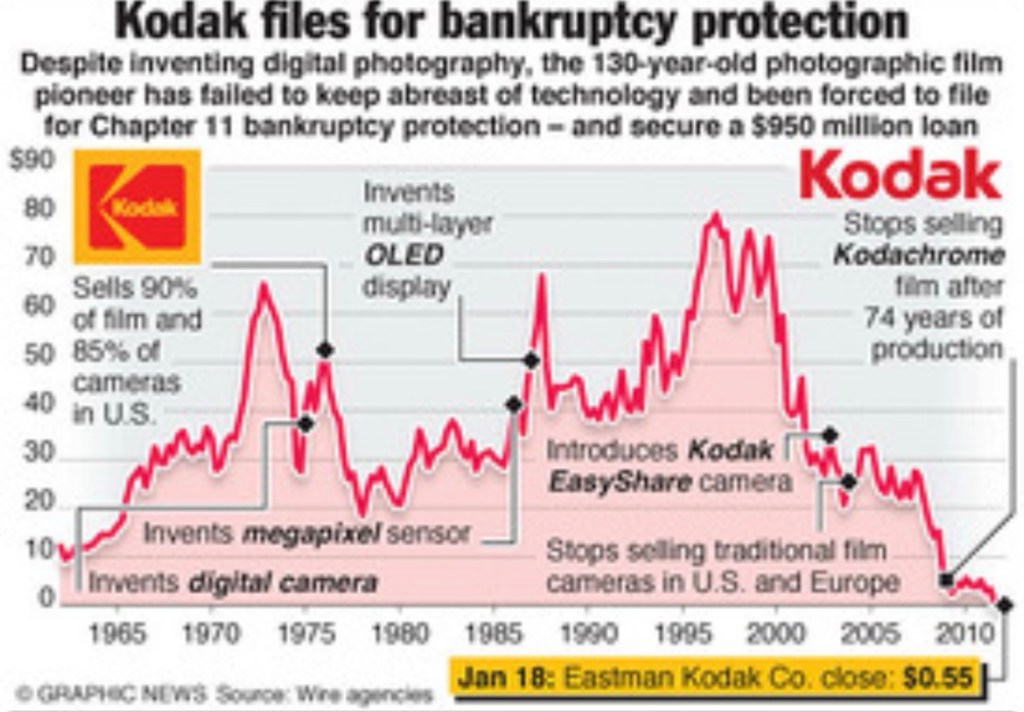
Kodak invented the digital camera but underestimated its future impact. The company lacked knowledge of digital market trends and the wisdom to adapt its business model, leading to bankruptcy.
7.5 Google Glass (2013) — Failure Due to Lack of Skill
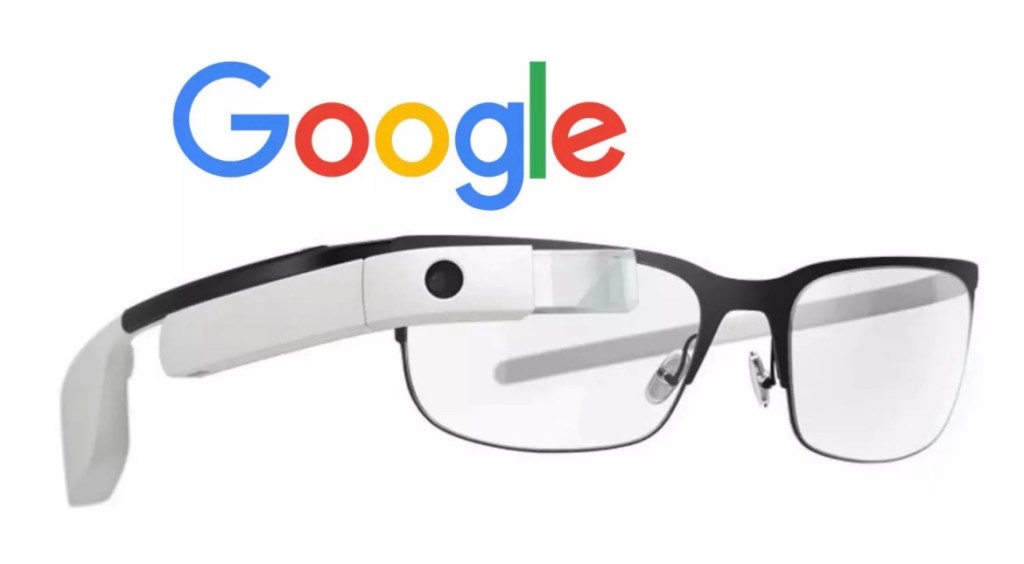
Google possessed strong knowledge and resources, but weak execution in product design, user experience, and privacy handling resulted in the commercial failure of Google Glass.
7.6 WeWork (2029) — Failure Due to Lack of Wisdom- Rapid and Risky Expansion

WeWork’s leadership demonstrated charismatic vision but poor financial wisdom, reckless expansion, and weak governance. This resulted in one of the most dramatic startup collapses in modern history.
8 Reflection Summary
Knowledge, skill, and wisdom are not isolated concepts but interconnected levels of human evolution. Knowledge helps us understand the world, skill helps us operate effectively within it, and wisdom helps us shape it with responsibility.
In a fast-changing global landscape, the cultivation of wisdom will determine whether progress becomes meaningful, equitable, and sustainable.
References and Sources
1. Foundational Literature on Knowledge, Skill, and Wisdom
Ardelt, M. (2003). Empirical assessment of a three-dimensional wisdom scale. Research on Aging, 25(3), 275–324.
Bloom, B. S. (1956). Taxonomy of Educational Objectives: The Classification of Educational Goals. Longmans, Green.
Kolb, D. A. (1984). Experiential Learning: Experience as the Source of Learning and Development. Prentice Hall.
Sternberg, R. J. (1998). Wisdom: Its nature, origins, and development. Cambridge University Press.
Nonaka, I., & Takeuchi, H. (1995). The Knowledge-Creating Company. Oxford University Press.
Dreyfus, H., & Dreyfus, S. (1980). A Five-Stage Model of the Mental Activities Involved in Directed Skill Acquisition. University of California, Berkeley.
2. Leadership, Learning, and Capability Development
Goleman, D. (1995). Emotional Intelligence. Bantam Books.
Senge, P. (1990). The Fifth Discipline: The Art and Practice of the Learning Organization. Doubleday.
Bass, B. M., & Avolio, B. (1994). Improving Organizational Effectiveness Through Transformational Leadership. Sage Publications.
Boyatzis, R. E. (2008). Competencies in the 21st century. Journal of Management Development, 27(1), 5–12.
3. Business Failure Case Studies
Nokia
Vuori, N., & Huy, Q. N. (2016). Distributed attention and shared emotions in the innovation process: How Nokia lost the smartphone battle. Administrative Science Quarterly, 61(1).
Forbes, How Nokia Lost Its Way, 2014.
MySpace
Kirkpatrick, D. (2010). The Facebook Effect. Simon & Schuster.
Harvard Business Review, Why MySpace Failed, 2011.
Enron
McLean, B., & Elkind, P. (2003). The Smartest Guys in the Room: The Amazing Rise and Scandalous Fall of Enron. Portfolio.
U.S. Securities and Exchange Commission (SEC) — Enron Case Files.
Kodak
Lucas, H. C., & Goh, J. M. (2009). Disruptive technology: How Kodak missed the digital photography revolution. Journal of Strategic Information Systems.
New York Times, Kodak Files for Bankruptcy, 2012.
Google Glass
Forbes, Why Google Glass Failed, 2015.
Wired Magazine, The Rise and Fall of Google Glass, 2019.
WeWork
Sorkin, A. R. (2019). WeWork’s failed IPO and what it means for the startup world. The New York Times.
Elliott, H., & Gelles, D. (2021). The Cult of We. Crown Publishing.
4. General Sources on Human Capability Models
World Economic Forum (WEF). Future of Jobs Report (2020, 2022).
OECD (2019). The Skills Outlook Report.
UNESCO (2015). Education for Sustainable Development Goals: Learning Objectives.

Leave a comment